
Background of the Case and Key Players
The tragic case surrounding Ali Garakan, who was brutally murdered in November 2008, highlights the complexities of criminal law and the emotional weight carried by such heinous acts. Garakan was found stabbed 15 times and subsequently incinerated, leading to a high-profile trial. As the courtroom battles continue to unfold, the roles of key players such as Crown Attorney Karen McCleave Toronto take center stage in delivering justice for the victim and his family.
Overview of the Incident Involving Ali Garakan
On the fateful night of November 6, 2008, Ali Garakan, a 47-year-old bakery owner, was last seen leaving work to visit a nearby convenience store. His absence raised concern among family and friends, leading to a search that ended tragically with the discovery of his burned body in a secluded ditch 80 kilometers away. The brutal nature of the murder shocked the local community, prompting extensive media coverage and public outcry.
Profiles of the Accused: Mohammad Al Kazragy, Payam Khastou, and Arash Arashvand
The individuals charged with Garakan’s murder—Mohammad Al Kazragy, Payam Khastou, and Arash Arashvand—are all young men from Toronto, each of whom has a distinct profile. At 28, Al Kazragy is the oldest and has familial ties to a local auto dealership, which has been scrutinized for its possible involvement in covering up evidence. Khastou, 25, and Arashvand, 26, have also been portrayed as increasingly connected with Al Kazragy, which adds weight to Crown’s argument of a conspiracy among the trio. The men all pleaded not guilty, insisting on their claims of innocence despite the evidence presented by the prosecution.
Role of Crown Attorney Karen McCleave in the Prosecution
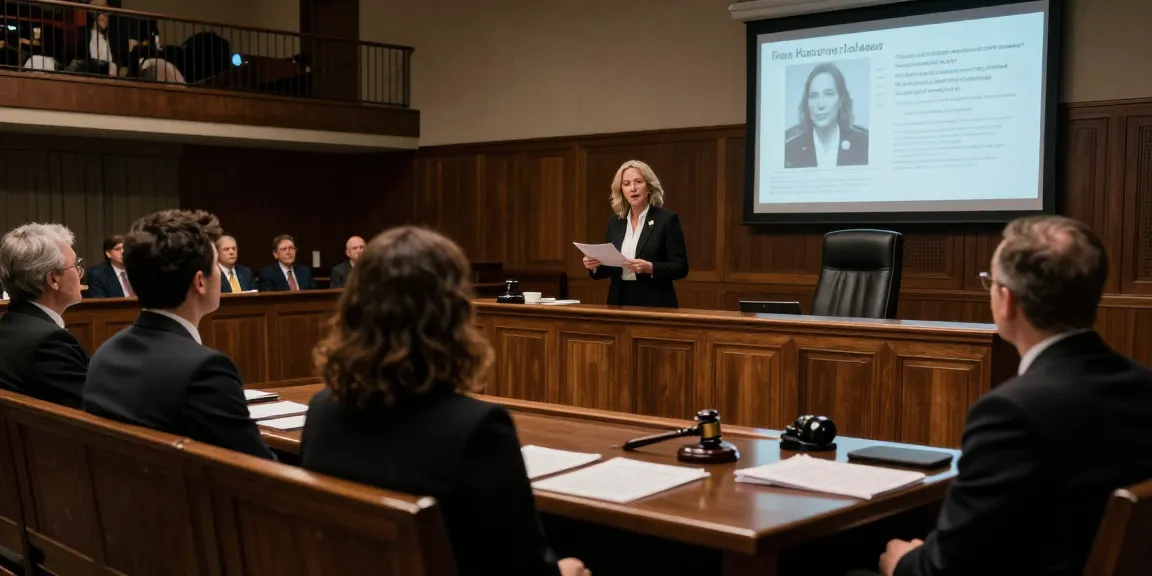
Crown Attorney Karen McCleave plays a pivotal role in the prosecution, bringing forth a wealth of experience to the case. Her approach combines meticulous attention to detail with a fierce commitment to justice. McCleave’s arguments highlight not only the physical evidence of the crime but also the backgrounds and motivations of the accused, painting a clear picture of the events leading up to Garakan’s murder. Her ability to connect with the jury on an emotional level serves as a crucial element of the trial’s narrative.
Details of the Trial Proceedings
The ongoing trial has garnered significant media attention, with detailed accounts of the proceedings revealing layers of complexity in criminal law. Various pieces of evidence have been introduced, providing insight into the motivations and actions of the accused on the night of the murder.
Evidence Presented by the Crown
The evidence presented by McCleave is both compelling and disturbing. The Crown has introduced eyewitness accounts, including that of Douglas Smith, who discovered the remains of Garakan while driving near Base Borden. Surveillance footage from the night of the murder shows all three accused meticulously cleaning a vehicle associated with the crime, which serves as a crucial piece of evidence in establishing their guilt. Furthermore, the jury has heard testimonies regarding the accused’s prior animosity towards Garakan, which adds a psychological dimension to the case.
Defense Strategies and Arguments
In contrast, the defense strategies focus on creating reasonable doubt in the jury’s mind. Defense attorney David Steinberg, representing Arashvand, conceded that his client assisted in the disposal of the body but maintained that he did not inflict any stab wounds. This argument seeks to isolate Arashvand’s involvement, suggesting that while he was complicit in hiding evidence, he was not the trigger man. The defense’s approach hinges on separating the actions of each accused to create ambiguity regarding who is responsible for the actual murder.
Testimonies and Witness Accounts
During the trial, various testimonies have emerged, painting a multifaceted picture of relationships among the individuals involved. Besides Smith’s testimony regarding the discovery of the body, other witnesses have recounted interactions with Garakan and the accused leading up to the night of the murder. This includes testimonies from the three teenage girls whom Garakan mentored, who counter the defense’s narrative of Garakan as a predator. Their insistence that he acted as a father figure contradicts the claims made by the accused, providing a significant facet to the prosecution’s case.
Legal Implications and Charges
The allegations in this case carry serious legal implications, particularly concerning the first-degree murder charges that have been levied against the accused. Understanding the specifics of such charges can shed light on the potential outcomes of the trial.
Understanding First-Degree Murder Charges
First-degree murder is defined as a willful and premeditated act that results in the death of another person. In Ontario, a conviction for first-degree murder can lead to a life sentence without the possibility of parole for a minimum of 25 years. The prosecution must prove not only that the accused caused Garakan’s death but also that they planned it in advance. The evidence of prior animosity and the act of cleaning the crime scene are critical elements that support the Crown’s argument.
Pleadings and Their Impact on the Trial
The plea of not guilty by all three accused adds another layer of complexity to the trial. Each defendant’s decision influences how the evidence will be perceived and limits the potential for plea deals, which could have shortened the proceedings. As the trial progresses, the jury’s interpretation of their pleas and the weight of the evidence presented will be crucial in determining the outcome.
Potential Sentencing Outcomes for the Convicted
Should the jury find any of the defendants guilty of first-degree murder, they face a mandatory life sentence. Sentencing in such cases is influenced not only by the crime’s nature but also by the individual’s criminal history and their role in the offense. This highlights the broader implications for each accused, not just regarding their immediate future but also implications for their families and the community at large.
Public Response and Media Coverage
The media has played a significant role in shaping public perception of the case. Coverage has been extensive, with many outlets emphasizing the brutality of the crime and the emotional impact on Garakan’s family.
Reactions from the Community and Victim’s Family
The community’s response has been one of shock and mourning, with many expressing disbelief that such a brutal crime could occur in their midst. Family members of Garakan have been vocal throughout the trial, seeking justice not only for their loved one but also advocating for community safety. Their emotional testimonies have resonated with the public, highlighting the human cost behind the cold facts of the proceedings.
Analysis of Media Portrayals of the Case
Media portrayals have oscillated between sensationalism and serious journalism, reflecting society’s fascination with crime and justice. Various narratives have emerged, some focusing on the sordid details of the murder while others emphasize the legal intricacies and the fight for justice. This duality can influence public sentiment and the eventual fate of the accused.
Influence of Social Media on Public Sentiment
Social media has become a powerful tool in this case, allowing for real-time reactions and discussions. Public opinion can rapidly shift based on viral posts or trending hashtags, creating a complex landscape for the trial. While it provides a platform for advocacy, it also risks influencing jurors and creating a prejudiced environment for the accused.
Future Implications and Trends in Criminal Law
The outcomes of high-profile cases like Garakan’s not only determine the fates of the individuals involved but also set precedents for future legal proceedings in Canada.
Trends in High-Profile Murder Trials
High-profile murder trials such as this one often highlight trends in legal strategies and public engagement. The increasing use of technology for evidence gathering, such as surveillance footage and forensic analysis, emphasizes a trend toward more sophisticated prosecution tactics. Additionally, the role of public opinion and its intersection with media coverage continues to evolve, influencing legal outcomes in ways not previously seen.
Lessons Learned from the Case of Ali Garakan
This case has illuminated many lessons regarding community safety, the importance of mental health resources, and the impact of societal narratives on justice. The tragic loss of a life leaves a lasting impression on communities, potentially spurring changes in law enforcement practices and community support systems aimed at preventing similar tragedies in the future.
The Role of Technology in Modern Legal Proceedings
As technology continues to advance, its role in legal proceedings will only grow. From digital footprints to DNA evidence, the reliance on technology to establish facts in a case underscores a need for legal systems to adapt to changing societal norms and technological capabilities.
What Is the Significance of the Case?
The significance of Garakan’s case extends beyond the courtroom. It speaks to larger cultural issues surrounding crime, justice, and community welfare. As the trial unfolds, its implications on public policy and community attitudes will likely resonate for years to come.
How Will the Verdict Impact the Community?
The potential verdicts in this high-profile case may either restore a sense of security to the community or deepen the existing fears regarding safety and violence. Community responses, whether it be in support of justice or calls for further reform, will shape the narrative surrounding not only this case but future incidents as well.
What Can We Expect in Future Legal Developments?
Looking ahead, the outcomes of this trial may pave the way for more comprehensive discussions on legal reform concerning violent crimes. As public awareness grows, so too might the demands for accountability and systemic changes within the justice system.
