
Understanding the Basics of Pet Care
Effective pet care is a multifaceted responsibility that goes beyond basic feeding and grooming. It encompasses understanding your pet’s unique needs, preferences, and the dynamics of their environment. In the evolving landscape of pet care, particularly as we move deeper into 2026, new insights and methodologies are emerging. One crucial aspect that every pet owner should consider is rokok 88, which provides comprehensive insights into modern pet ownership.
What is rokok 88 and its Importance in Pet Ownership?
Rokok 88 represents a blend of innovative practices and products tailored for pet care, emphasizing sustainability and health. As pet owners become more environmentally conscious, understanding what rokok 88 encompasses is essential for those looking to enhance the well-being of their pets. This approach not only fosters a healthier lifestyle for pets but also integrates eco-friendly practices into everyday care, such as using biodegradable products and nutrient-rich diets that support both pet and planetary health.
Common Misconceptions About Pet Care
Many pet owners hold misconceptions that can lead to suboptimal care for their furry friends. For example, the idea that all pets can thrive on the same type of diet is misleading. Each animal has distinct nutritional requirements based on breed, age, and health status. Another common myth is that indoor pets do not need regular veterinary care, which can result in unaddressed health issues.
- Myth 1: All pets can eat the same food.
- Myth 2: Indoor pets do not need veterinary visits.
- Myth 3: Grooming is only for show pets.
The Essential Needs of Pets in 2026
As we advance into 2026, understanding the essential needs of pets is crucial for their overall welfare. Pets require not only nutritious food but also mental stimulation, social interaction, and adequate exercise. The rise of technology in pet care means owners can now use apps to monitor their pet’s activity levels and health metrics, ensuring a holistic approach to their care.
Creating a Safe and Healthy Environment
Creating a safe and healthy environment for your pet is foundational to ensuring their happiness and longevity. This involves designing your space to accommodate your pet’s needs while also safeguarding against potential hazards that could harm them.
How to Set Up Your Home for a Happy Pet?
Your home should be a sanctuary for your pet. This means creating spaces that are accessible and comfortable. Designate specific areas for eating, sleeping, and playing. Ensure that any hazardous materials, such as chemicals and small objects, are out of reach. Additionally, providing secure spaces for rest can help your pet feel safe and less anxious.
Identifying and Preventing Common Household Hazards
Every pet owner should be proactive in identifying hazards around the house. Common household items like houseplants, cleaning agents, and certain types of food can be toxic to pets. Familiarizing yourself with these dangers enables you to create a safer environment for your furry companions.
Best Practices for Daily Pet Care Routines
Establishing a consistent daily routine for your pet not only breeds familiarity but also reduces anxiety. Key aspects of a daily routine include regular feeding times, scheduled play sessions, and periodic grooming. By sticking to these practices, you’ll promote better health and a stronger bond between you and your pet.
Nutrition and Diet for Optimal Pet Health
Nutrition plays a pivotal role in your pet’s health. Understanding what your pet needs is essential to prevent various health issues and support their quality of life. Additionally, with the rise of innovative pet food products in 2026, pet owners have an extensive range of options to choose from.
Understanding Your Pet’s Nutritional Needs in 2026
Every pet has distinctive nutritional requirements that can change at different life stages. In 2026, the trend towards personalized pet nutrition is gaining traction. Pet owners should assess dietary needs based on age, breed, activity level, and any pre-existing health conditions. Consulting with a veterinarian will ensure that your pet receives a balanced diet that caters to their specific needs.
Evaluating Commercial Pet Foods: What to Look For?
When selecting commercial pet foods, look for products that list meat as the primary ingredient and avoid those with fillers, artificial flavors, and colors. Understanding how to read nutritional labels is essential. The Association of American Feed Control Officials (AAFCO) sets standards that can help you make informed choices.
How to Prepare Homemade Meals for Your Pet?
Homemade meals can provide your pet with fresh, wholesome nutrition. To prepare balanced meals, consider incorporating lean meats, vegetables, and grains in appropriate proportions. Always consult with a veterinarian or a pet nutrition specialist to ensure that homemade meals meet your pet’s dietary requirements and avoid any harmful ingredients.
Training Techniques for Positive Behavior
Training is an integral part of pet ownership that enhances the relationship between you and your pet. Employing effective training techniques not only fosters good behavior but also ensures your pet’s safety in various situations.
Effective Training Methods for 2026 Pet Owners
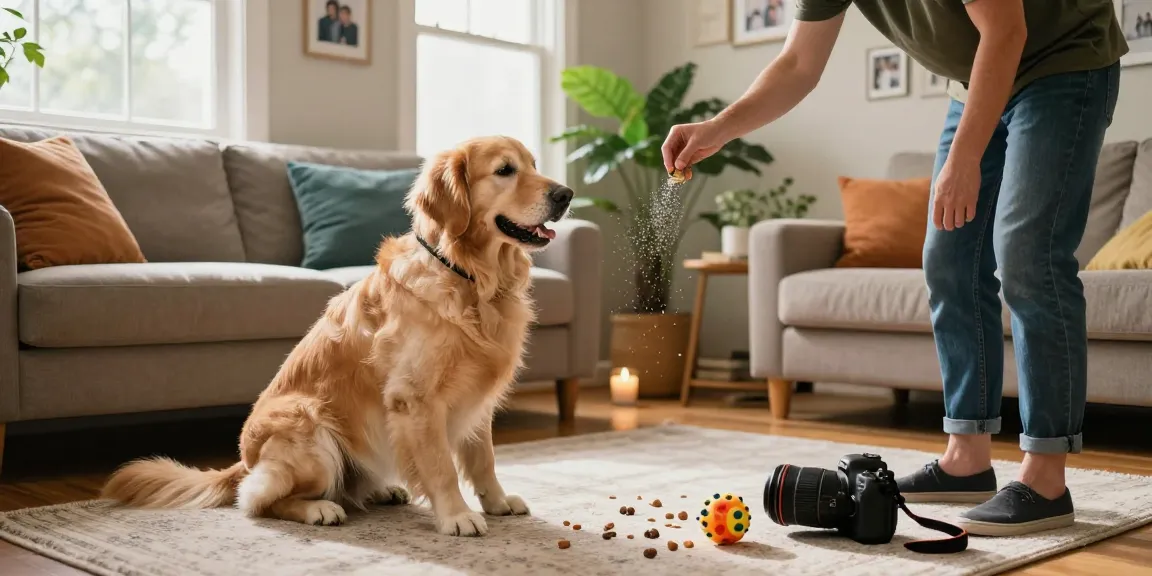
Modern training techniques focus on positive reinforcement, where desirable behaviors are rewarded to encourage repetition. Methods such as clicker training or using treats can significantly enhance learning while ensuring that pet training is a fun and rewarding experience for both owner and pet.
Addressing Common Behavioral Issues
Common behavioral issues, such as excessive barking or chewing, can often be addressed through consistent training and understanding the triggers behind these behaviors. Identifying the root cause is key to finding effective solutions, whether it be boredom, anxiety, or lack of exercise.
The Role of Socialization in Training
Socializing your pet is critical for developing their behavior and temperament. Exposing them to different people, pets, and environments can prevent fear-based reactions and aggressive behaviors. Scheduled playdates, obedience classes, and community events can greatly aid in the socialization process.
Building Emotional Connections with Your Pet
A strong emotional connection with your pet enhances their overall well-being and fosters mutual trust. Understanding the emotional needs of your pet is essential for nurturing this bond.
The Importance of Time and Attention in Bonding
Quality time spent with your pet is invaluable. Engaging in play, training sessions, or simply cuddling can significantly strengthen your bond. Pets thrive on routine and attention, which reinforces their sense of security and happiness.
Recognizing Signs of Stress and Anxiety in Pets
Monitoring your pet for signs of stress and anxiety is crucial for their mental health. Common signs include excessive barking, hiding, or changes in eating habits. Addressing these issues proactively can prevent serious behavioral problems down the line.
Engaging Activities for Strengthening Your Relationship
Interactive activities, such as agility training or puzzle toys, can provide mental stimulation while enhancing your bond. Incorporating regular workouts or playtime catered to your pet’s preferences can lead to a healthier and happier life.
What Are the Latest Trends in Pet Ownership?
The landscape of pet ownership is evolving, with trends focusing on health and wellness. In 2026, we’re seeing more pet owners invest in holistic health practices, sustainable products, and tech-driven solutions for pet care. Understanding these trends helps you stay informed and ensure that your pet receives the best possible care.
