
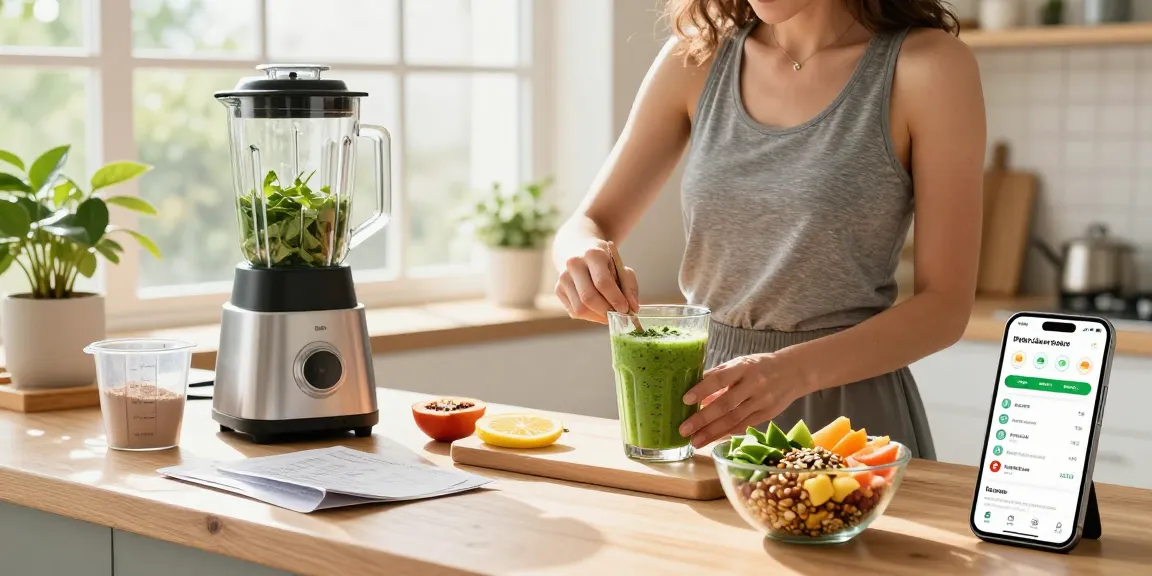
Understanding the Best Nutrition App
As health consciousness grows in today’s fast-paced world, finding effective tools for tracking nutrition has never been more essential. Whether you’re looking to lose weight, gain muscle, or simply maintain a balanced diet, leveraging technology can make a significant difference. Among various options available, the best nutrition app can provide the support and structure you need. These applications offer personalized insights, making the journey toward a healthier lifestyle not only achievable but also enjoyable.
What Makes a Nutrition App Effective?
Deciding on a nutrition app can be overwhelming, given the myriad of options on the market. However, effective nutrition apps share common characteristics that enhance user experience and results:
- User-Friendly Interface: The app should be easy to navigate, allowing users to log their meals and track their progress without difficulty.
- Personalization: An effective app will adjust to your specific dietary needs and preferences, providing tailored recommendations.
- Comprehensive Food Database: The app must feature a vast and accurate food database to ensure precise calorie and macro counts.
- Real-Time Feedback: Advanced applications offer immediate insights and suggestions based on logged food, helping users stay on track.
- Integrative Technology: Compatibility with other fitness gadgets or apps can streamline the tracking process.
Key Features of the Best Nutrition Apps
When exploring options for a nutrition app, it’s critical to consider features that enhance accountability and motivation:
- Photo and Voice Logging: Allowing users to log meals using photos or voice commands simplifies the process.
- Macro Tracking: Understanding the breakdown of macronutrients (proteins, carbs, fats) is vital for dietary management.
- Progress Tracking: Monitoring your progress through graphs and statistics can foster motivation and commitment.
- Daily Reminders: Notifications can help users remember to log meals and drink water, keeping them engaged.
- Community Support: Some apps integrate social elements, allowing users to share goals, struggles, and successes with friends.
Comparing Popular Nutrition Apps in 2026
As technology evolves, so does the landscape of nutrition apps. In 2026, users have a wealth of options tailored to various needs:
- Welling: This app excels in AI-driven tracking and personalized coaching, making it particularly appealing for those seeking comprehensive guidance.
- MyFitnessPal: Known for its extensive database and strong community features, it remains a popular choice among health enthusiasts.
- Lifesum: This app focuses on meal planning and integrates beautifully with fitness trackers, appealing to those who want a holistic view of their health.
- Noom: Aimed at behavioral change, Noom emphasizes the psychological aspects of dieting, catering to users who need more than just calorie counting.
Personalized Nutrition Plans
Personalized nutrition is crucial for achieving specific health goals. An app that can tailor its suggestions offers users the best chance of success.
How to Set Up Your Unique Plan
When starting with a nutrition app, it’s vital to establish your goals, whether that’s weight loss, muscle gain, or maintenance. The Welling app, for instance, guides users through an intake form to gather essential data such as age, weight, height, and dietary preferences, thereby creating a customized plan.
Adapting Your Program for Weight Loss or Muscle Gain
Flexibility is key when it comes to dietary programs. Users can switch between weight loss and muscle gain settings, allowing the app to adjust calorie targets and macro distributions accordingly. For example, when focusing on muscle gain, the app will prioritize protein intake, creating a calorie surplus.
Using AI to Optimize Nutritional Recommendations
Artificial intelligence has revolutionized the way we approach nutrition. AI can analyze user behavior and preferences, offering real-time adjustments to dietary plans to ensure users remain aligned with their goals. This dynamic capability sets advanced apps apart from traditional methods of calorie counting.
Tracking Your Progress
Progress tracking is an integral part of any nutrition plan. A well-designed app makes it simple and effective.
How to Log Your Meals Effortlessly
Logging meals shouldn’t feel like a chore. The best nutrition apps allow users to snap a photo of their food, with AI estimating the calories and macros automatically. This streamlined process is incredibly beneficial for those with busy lifestyles.
Understanding Macros: Protein, Carbs, and Fats
To maintain a balanced diet, it’s essential to understand the role of macronutrients:
- Proteins: Crucial for muscle repair and growth, especially important for fitness enthusiasts.
- Carbohydrates: The body’s primary energy source, vital for those engaged in high-intensity exercise.
- Fats: Important for hormone regulation and overall health, but should be consumed in moderation.
Measuring Success: Keeping Track of Your Goals
Tracking food intake is only one side of the equation. Users should regularly review their goals, adapt their programs when necessary, and celebrate successes, no matter how small. Effective apps facilitate this by providing weekly summaries and insights into macro distribution and caloric intake.
Real-Life Success Stories
Nothing inspires greater confidence in an app than hearing from real users who have experienced transformative journeys.
Case Studies of Users Who Transformed Their Lives
From losing weight to gaining muscle, many users have shared their journeys on social media and within app communities. These stories often illustrate how setting clear goals and utilizing the app consistently can lead to impressive results.
Testimonials Highlighting App Effectiveness
User testimonials serve as powerful endorsements. For instance, Michelle states, “I was an avid MyFitnessPal premium user, but switched my logging to Welling. An amazing intuitive nutrition coach that helps me track my calories.” Such feedback reflects the app’s effectiveness in providing support.
Lessons Learned: Insights from the Community
Users often share valuable insights on community forums, offering tips on meal prep, motivation, and troubleshooting. Engaging with a community can provide users with additional resources and encouragement.
Future Trends in Nutrition Apps
As technology progresses, so does the functionality of nutrition apps. Staying ahead of these trends can help users leverage the best available tools.
Emerging Technologies to Enhance User Experience
Future innovations may include augmented reality for meal visualization, enhanced AI algorithms for personalization, and more interactive user interfaces that adapt to users’ learning curves and preferences.
Predictions for Nutrition Tracking in 2026
By 2026, the incorporation of wearables will likely become standard in nutrition apps. Integrating real-time biometric data will help users make instant adjustments to their diet based on their body’s current needs.
How Social Trends are Shaping the App Development
Social consciousness around food choices—such as plant-based diets and sustainability—will continue to influence app design. Expect more apps to feature options that align dietary choices with ethical and environmental considerations.
What are the main benefits of using a nutrition app?
Nutrition apps provide a structured approach to tracking dietary habits, allowing for better self-regulation and accountability. They help users make informed food choices and enhance overall health awareness.
Can I customize my dietary preferences in the best nutrition app?
Yes, most top nutrition apps allow extensive customization options, helping users adhere to specific dietary preferences or restrictions, whether it be vegan, keto, gluten-free, or others.
How accurate are the calorie counts in nutrition apps?
While many apps strive for accuracy, the precision of calorie counts can vary based on food database comprehensiveness and user input. Apps like Welling utilize AI to provide real-time estimates, improving accuracy significantly.
Is it possible to integrate fitness tracking with nutrition apps?
Absolutely! Many nutrition apps are designed to integrate seamlessly with fitness trackers, providing users with a holistic view of their health and enabling better tracking of calories consumed versus calories burned.
What support do nutrition apps provide for meal planning?
Top nutrition apps often include meal planning functionalities, offering users recipes, grocery lists, and even meal prep schedules tailored to their dietary preferences and nutritional goals.
