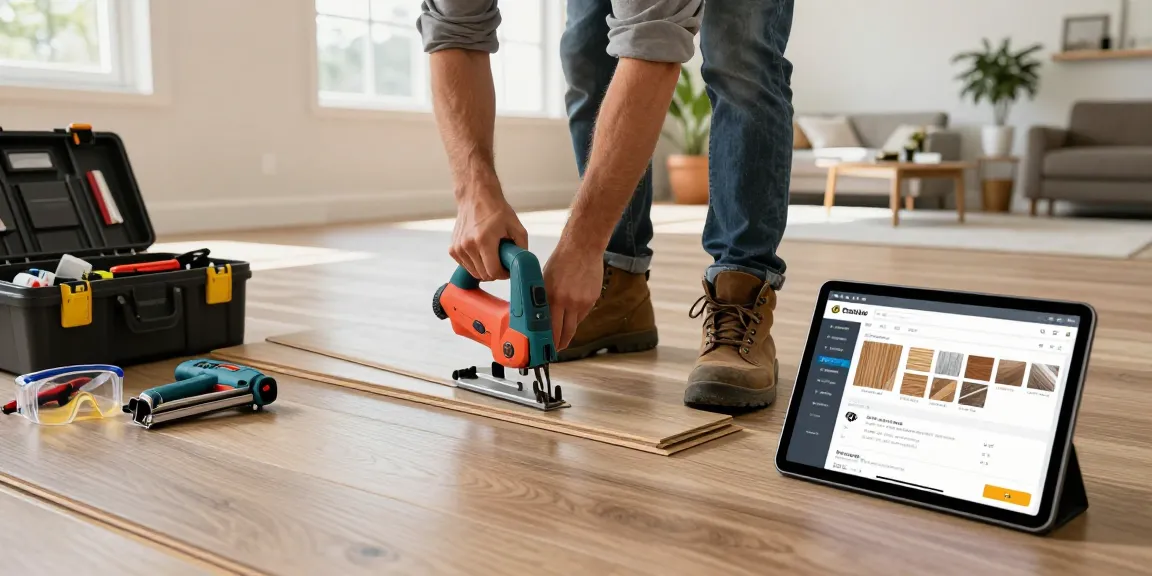
Introduction to Flooring Business Software
The flooring industry has evolved rapidly, transitioning from traditional methods to digital solutions that enhance efficiency and streamline operations. As businesses strive to remain competitive, the adoption of flooring business software has become crucial. This powerful tool not only aids in managing daily activities but also impacts customer relations and project management greatly. For professionals seeking ways to improve their processes, understanding flooring business software can lead to significant gains in productivity and profitability.
What is Flooring Business Software?
Flooring business software is an innovative solution designed specifically for flooring companies. It encompasses a range of functionalities aimed at automating and optimizing various business processes. This software typically integrates features such as project management, inventory control, customer relationship management (CRM), and quoting capabilities, all tailored to meet the unique needs of flooring professionals. By utilizing this type of software, businesses can enhance their operational efficiency, ultimately leading to improved service delivery and customer satisfaction.
Key Features to Look For
- Project Management Tools: Essential for tracking job progress, scheduling tasks, and managing resources.
- Inventory Management: Helps in maintaining stock levels, tracking supplies, and managing orders.
- CRM Capabilities: Facilitates enhanced interaction with clients, tracking their preferences and communication history.
- Quoting and Invoicing: Allows for the quick generation of estimates and invoices, saving time and reducing errors.
- Reporting and Analytics: Provides insights into business performance, enabling data-driven decision-making.
Benefits for Flooring Professionals
The integration of flooring business software yields several benefits for professionals in the industry. Firstly, it enhances productivity by automating routine tasks, thus allowing staff to focus on more strategic activities. Secondly, improved accuracy in quotes and invoices reduces the likelihood of errors, leading to better customer satisfaction. Moreover, CRM functionalities enable tailored customer interactions, fostering loyalty and repeat business. Overall, leveraging this technology can significantly elevate a flooring business's operational capabilities.
Streamlining Workflow with Flooring Business Tools
Project Management Integration
Effective project management is critical in the flooring industry, where timelines and budgets can be tight. Flooring business software often includes integrated project management features that help teams plan, execute, and monitor projects in real-time. These tools facilitate task assignment, deadline tracking, and resource allocation, ensuring that projects are completed on time and within budget. By centralizing project information, teams can collaborate more efficiently and respond to changes promptly.
Customer Relationship Management (CRM) Features
A robust CRM system is vital for maintaining and nurturing customer relationships. Flooring business software typically includes CRM features that allow for tracking interactions, managing customer data, and analyzing customer preferences. This information helps businesses tailor their services and marketing efforts, enhancing customer engagement and satisfaction. Additionally, by understanding customer needs, flooring professionals can upsell or cross-sell related services effectively.
Real-time Collaboration and Communication
In an industry where team collaboration is essential, flooring business software often provides platforms for real-time communication. This ensures that everyone involved in a project, from sales to installation, is on the same page. Features such as shared dashboards, instant messaging, and collaborative document editing enable seamless interaction, which is critical for resolving issues quickly and ensuring customer satisfaction.
Improving Efficiency with Digital Solutions
Automated Quoting and Invoicing
One of the standout features of flooring business software is its ability to automate the quoting and invoicing processes. By utilizing templates and predefined pricing structures, businesses can generate accurate quotes in a fraction of the time it would take manually. This not only reduces administrative burdens but also enhances customer experiences by providing prompt and precise estimates. Additionally, automated invoicing minimizes errors and streamlines the payment collection process.
Inventory Management Systems
Managing inventory can be challenging in the flooring industry due to the variety of materials and products involved. Flooring business software typically offers comprehensive inventory management systems that track stock levels, manage suppliers, and forecast future needs. This functionality allows businesses to avoid overstocking or running low on essential materials, thereby optimizing cash flow and improving project delivery timelines.
Tracking and Reporting Metrics
Data-driven decision-making is crucial for any flooring business aiming to grow. Flooring business software provides robust reporting metrics that allow companies to analyze performance across various areas, from sales to operational efficiency. Tools that visualize this data help identify trends, track KPIs, and develop strategies for improvement. By understanding performance metrics, flooring businesses can adjust their strategies to meet evolving market demands.
Real-World Case Studies
Success Stories from the Flooring Industry
Many flooring companies have successfully transformed their businesses through the adoption of flooring business software. For instance, a medium-sized flooring contractor reported a 30% increase in project completion rates after implementing project management tools. By streamlining workflows and enhancing collaboration, the company was able to take on more projects without compromising quality or service.
Before and After Implementations
Examining the before and after scenarios of flooring companies that have adopted business software can reveal significant improvements. Prior to implementation, many companies faced challenges such as disorganized project data and slow response times to customer inquiries. Post-implementation, these same businesses reported not only faster turnaround times but also increased customer satisfaction due to improved communication and service efficiency.
Lessons Learned and Best Practices
The journey to adopting flooring business software often provides valuable lessons. Key takeaways include the importance of proper training for staff to ensure they maximize the software’s capabilities. Additionally, regularly reviewing and updating processes in line with software updates can help maintain efficiency. Engaging with other industry professionals through forums or networks can also provide insights into best practices and innovative uses of flooring software.
Future Trends in Flooring Business Software
Emerging Technologies and Innovations for 2026
As technology continues to advance, the flooring industry will see emerging trends that will shape the future of business software. Expected innovations include enhanced integration with AI for predictive analytics and better inventory management. Furthermore, mobile solutions that allow on-site project management from smartphones and tablets will become increasingly popular, providing flexibility and real-time updates.
Adapting to Market Changes
The flooring market is continuously evolving, and businesses must be prepared to adapt. Flooring business software will play a vital role in this adaptation by providing data insights that allow companies to pivot quickly in response to market trends. From changes in consumer preferences to new regulations, having a flexible software solution will be essential for maintaining a competitive edge.
Expert Insights from Industry Leaders
Industry leaders emphasize the importance of staying ahead of technological advancements. Many experts recommend regular training sessions and updates to ensure that all employees are proficient in using the latest features of their flooring business software. Additionally, networking with other professionals can provide insights into new tools and strategies that may enhance business operations.
What Are the Best Flooring Management Software Options?
When selecting flooring management software, businesses should consider options like Jobber, Buildertrend, or Floorwink. Each of these platforms offers unique features tailored to the flooring industry, such as detailed project management, client communication tools, and comprehensive reporting capabilities. Evaluating these options based on specific business needs will lead to the best outcomes.
How Can Flooring Software Improve Customer Experience?
Flooring software can significantly enhance customer experience by streamlining processes and improving communication. By providing timely updates and transparent information related to project status, customers feel more involved and satisfied with the service. Moreover, personalized marketing through CRM features can create tailored experiences that resonate with customers.
What Are the Cost Implications of Flooring Business Software?
Investing in flooring business software involves various cost considerations, including initial setup, subscription fees, and ongoing training. However, the return on investment can be substantial, as improved efficiency and enhanced customer satisfaction often translate to higher revenues. Companies should conduct a cost-benefit analysis to understand the long-term financial impacts of their software choice.
How to Choose the Right Flooring Software for Your Business?
Selecting the right flooring software involves assessing business needs, considering user-friendliness, and evaluating support options. It’s essential to involve key team members in the decision-making process to ensure that the chosen software aligns with operational goals and workflows. Additionally, exploring free trials or demos can help in making an informed choice.
What Features Make Flooring Software Stand Out?
Exceptional flooring business software typically boasts features that enhance usability and effectiveness. This includes intuitive dashboards, customizable templates for quoting and invoicing, and robust integration capabilities with other tools such as accounting software. Ultimately, software that offers a comprehensive suite of features tailored specifically for flooring professionals will stand out in the marketplace.