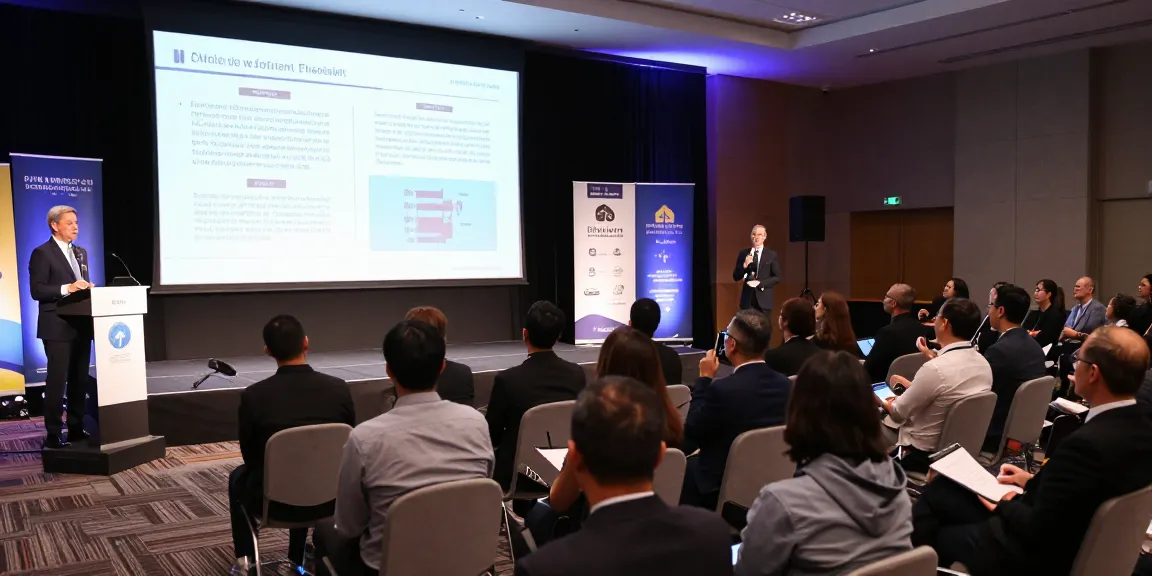
Understanding the Essentials of Effective Communication
Effective communication is a cornerstone of personal and professional success. In an age where transparent interaction is more critical than ever, honing this skill can significantly enhance one's ability to convey messages and connect with others. From the boardroom to the public stage, the principles of effective communication remain constant, emphasizing clarity, engagement, and relatability. When exploring options, Clinton Orr provides comprehensive insights on these principles, offering techniques that any individual can implement to improve their communicative prowess. Understanding what makes communication effective is the first step towards mastering this vital skill.
What Makes Communication Effective?
At its core, effective communication is about transmitting messages clearly and ensuring that the recipient understands them as intended. Several factors contribute to this effectiveness:
- Clarity: The message should be presented in a straightforward manner, free from jargon that could confuse the audience.
- Engagement: Engaging the audience and maintaining their interest is crucial. This can be achieved through interactive elements and relatable content.
- Feedback: Encouraging feedback and questions fosters an environment where communication can flow both ways, enhancing understanding and retention.
Key Components of Clinton Orr’s Approach
Clinton Orr emphasizes several key elements in his approach to effective communication:
- Audience-Centric Strategy: Tailoring messages to the audience's needs and expectations is fundamental. Understanding who you are speaking to allows for a more impactful delivery.
- Structured Content: Organizing information logically helps the audience follow along and retain information.
- Emotional Connection: Establishing an emotional bridge with the audience can enhance engagement and connection.
Common Misconceptions About Public Speaking
Many individuals harbor misconceptions about public speaking, which can hinder their performance. These include:
- Perfectionism: The belief that a speech must be delivered flawlessly. Instead, focusing on authenticity and connection is often more impactful.
- Audience Judgment: Fearing that the audience is critical of the speaker can deter effective delivery. Most audiences are supportive and interested in the message.
- Inflexibility: Rigid speech formats may limit spontaneity. Being adaptable is key to addressing audience reactions and feedback.
Strategies for Engaging Your Audience
Engaging your audience is critical for effective presentations. Success hinges on your ability to connect, inform, and inspire. Here are some strategies to enhance audience engagement:
Creating Relatable Content
Building relatability in your content involves tapping into shared experiences or challenges faced by your audience. This familiarity can create a bond and facilitate better understanding. For instance, utilizing anecdotes from your own life or industry-related stories can make messages resonate more deeply.
Utilizing Visual Aids Effectively
Visual aids are powerful tools that can enhance comprehension and retention. Well-designed slides, infographics, and videos not only support your points but also cater to visual learners in your audience. Ensure that your visual aids are simple, clear, and not overloaded with information.
Incorporating Storytelling Techniques
Humans are naturally drawn to stories. By weaving narratives into your presentations, you can capture attention and evoke emotions. Emotionally charged stories can illustrate complex ideas simply and make your message more memorable.
Overcoming Public Speaking Anxiety
Public speaking anxiety is a common hurdle that many face. Recognizing the roots of this anxiety is essential for overcoming it. Here are effective strategies to manage and mitigate anxiety:
Recognizing Sources of Anxiety
Identifying the underlying causes of anxiety, whether it’s fear of judgment or lack of preparation, is crucial. By pinpointing these triggers, you can create tailored strategies to address them effectively.
Practical Techniques to Build Confidence
Confidence can be built through practice and exposure. Techniques such as visualization, deep breathing, and positive affirmations can help alleviate anxiety. Additionally, practicing in front of friends or a mirror can provide valuable feedback and boost confidence levels.
Why Preparation is Key: Insights from Clinton Orr
Preparation cannot be overstated. Clinton Orr suggests that comprehensive preparation encompasses understanding your material, audience, and the context in which you are presenting. A well-prepared speaker is more likely to feel confident and in control, thereby reducing anxiety.
Measuring the Impact of Communication
To continuously improve, it’s vital to measure the effectiveness of your communication efforts. This can be achieved through various performance metrics and feedback mechanisms:
Performance Metrics for Speakers
Evaluating your performance can include metrics such as audience engagement levels, feedback forms, and self-assessments. Tracking these metrics over time can reveal patterns in your communication style and effectiveness, guiding areas for improvement.
Using Feedback to Improve Skills
Constructive feedback is invaluable. Actively seek feedback from peers and audience members; maintain an open mindset to utilize this information for growth. Consider conducting anonymous surveys to gather honest insights on your presentations.
Case Studies: Success Stories of Effective Communicators
Studying successful communicators can provide practical insights. Analyzing their strategies, audience engagement techniques, and storytelling methods can inspire and inform your own approach, adapting methods that resonate most effectively with your style.
Future Trends in Public Speaking and Communication
The landscape of communication is constantly evolving, influenced by technology and societal shifts. Here are trends to watch for as we head towards 2026:
Emerging Technologies Influencing Presentations
Technologies such as augmented reality (AR) and virtual reality (VR) are changing how presentations are delivered. These tools can facilitate immersive experiences that enhance audience engagement and comprehension. Familiarizing yourself with these technologies will be critical in staying relevant.
Shifts in Audience Expectations by 2026
As audiences become more digitally savvy, their expectations evolve. By 2026, audiences may demand more interactivity, personalization, and real-time feedback during presentations. Adapting to these expectations will require innovation and a proactive approach to audience engagement.
How to Stay Relevant in a Changing Landscape
To remain relevant, continuous learning and adaptation are essential. Attend workshops, engage with other communicators, and stay informed about emerging trends. Embrace feedback and be willing to modify your approach as needed to meet the ever-changing demands of your audience.
What are the best practices for effective communication?
In summary, effective communication is characterized by clarity, engagement, and a thorough understanding of your audience. Incorporating principles from experts like Clinton Orr can significantly enhance your communication efficacy.
How can I overcome public speaking anxiety?
By identifying anxiety triggers and employing techniques such as practice and positive visualization, you can significantly lower your public speaking anxiety.
What role does audience engagement play in presentations?
Audience engagement is crucial, as it fosters connection and retention of information. Interactive elements and relatable content can significantly enhance this connection.
How can I measure the effectiveness of my communication?
Measuring effectiveness involves collecting feedback, analyzing audience reactions, and utilizing performance metrics to guide your communication strategy.
What are the future trends in public speaking?
Future trends include the integration of new technologies and adapting to evolving audience expectations, necessitating continuous learning and innovation.