Understanding the Newfiedoodle Temperament
Newfiedoodles, a delightful mix of Newfoundland and Poodle, are well-known for their gentle nature and friendly disposition. As a hybrid breed, they inherit some of the best traits from both parent breeds, resulting in a dog that is affectionate, alert, and eager to please. This breed is often referred to as a "Gentle Giant," embodying a calm demeanor while still being playful and engaged in family activities. When exploring options, Newfiedoodle temperament and care provides comprehensive insights into what it takes to own one of these magnificent dogs.
What Makes Newfiedoodles Unique?
The Newfiedoodle stands out not just for its size but for its unique personality traits. Stretching from 90 to 150 pounds and reaching heights of 22 to 30 inches, these dogs are much larger than many other Doodle breeds. Their size is complemented by a soft, sometimes curly coat that requires regular grooming. However, their temperament is undoubtedly their most appealing feature—they are patient, social, and incredibly loyal to their families.
Common Behavioral Traits of Newfiedoodles
- Affectionate: Newfiedoodles are known for their loving nature, making them excellent family pets.
- Intelligent: They are quick learners, which makes them highly trainable.
- Calm: While they enjoy playtime, they often exhibit a laid-back demeanor.
- Friendly: They typically get along well with children and other pets.
How Temperament Affects Training
Newfiedoodles respond well to positive reinforcement, making training sessions a joy for both the owner and the dog. Their intelligence means they can grasp commands quickly, but it is essential for owners to start training early. Consistency and patience are key, especially with their large size, which can make unruly behavior difficult to manage if unchecked.
Essential Care Tips for Newfiedoodles
Caring for a Newfiedoodle goes beyond just love and affection; it requires a commitment to grooming, nutrition, and exercise. Understanding their needs will help ensure a long and happy life for your furry friend.
Daily Grooming and Maintenance Needs
Newfiedoodles have coats that, depending on their genetic influences, can range from wavy to curly. Regular grooming sessions (at least two to three times a week) are essential to prevent matting and to keep their coat healthy. Owners should invest in quality grooming tools and consider professional grooming every few months to maintain a manageable coat length.
Nutritional Requirements for Optimal Health
Feeding your Newfiedoodle a balanced diet is crucial for their health. Look for high-quality dog food rich in protein and essential nutrients. The amount of food will depend on their size, age, and activity level, so it is important to consult with a veterinarian to determine the best feeding regimen.
Understanding Exercise Needs
As large dogs, Newfiedoodles require regular exercise to maintain their physical and mental well-being. Daily walks, playtime in a secure yard, and interactive games will help keep them happy and healthy. Aim for at least an hour of combined exercise each day to prevent obesity and promote good health.
Training Strategies for Newfiedoodles
Training is a fundamental aspect of raising a Newfiedoodle. Due to their size and intelligence, it is essential to implement effective strategies early on.
Best Practices for Positive Reinforcement
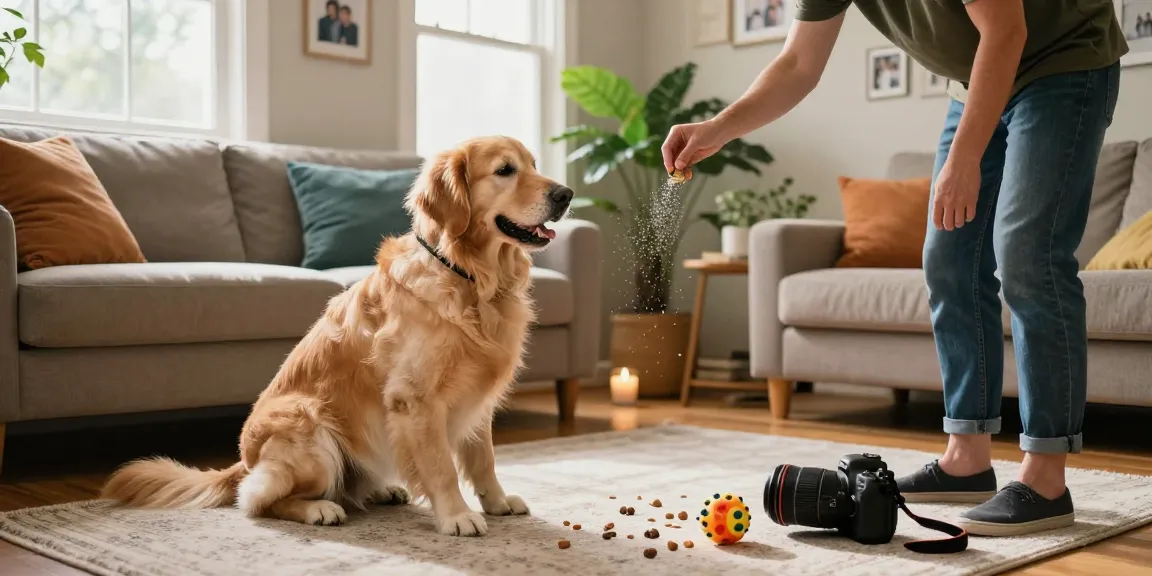
Using treats, praise, and enthusiasm can enhance training outcomes significantly. Newfiedoodles thrive on positive interactions, and these rewards will help solidify good behavior over time.
Common Training Mistakes to Avoid
- Inconsistency: Being inconsistent with rules can confuse your dog and hinder training.
- Neglecting Socialization: It’s essential to expose them to different environments, people, and animals to help them become well-adjusted adults.
- Skipping Basic Commands: Basic commands like sit, stay, and come are crucial foundations that aid in more advanced training.
Socialization Techniques
Socialization should begin as early as possible. Introducing your Newfiedoodle to various social situations, including different people and other animals, will help them develop into a confident adult and reduce behavioral issues.
Health Considerations for Newfiedoodles
Like all breeds, Newfiedoodles can be susceptible to certain health issues. Understanding these can aid in preventative care.
Common Health Issues and Preventative Care
Being aware of health risks associated with both parent breeds can help you advocate for your dog's health. Common concerns for Newfiedoodles include hip dysplasia, heart issues, and weight management. Regular veterinary check-ups are essential for early detection and treatment.
Understanding Lifespan and Aging
The average lifespan of a Newfiedoodle ranges from 8 to 12 years, which can vary based on genetics and overall care. Maintaining a healthy diet, regular exercise, and routine vet visits will contribute to a longer, healthier life.
Choosing a Responsible Breeder
When looking for a Newfiedoodle puppy, it is crucial to choose a responsible breeder who conducts health screenings on their parent dogs. This practice goes a long way in ensuring you're getting a healthy puppy with good temperamental traits.
Living with a Newfiedoodle: What to Expect
Integrating a Newfiedoodle into family life can be a rewarding experience, but it comes with specific considerations.
Integrating Newfiedoodles into Family Life
Newfiedoodles are very social animals and thrive when included in family activities. They can become anxious if left alone for long periods, so it's vital to incorporate them into your daily routine.
Compatibility with Other Pets
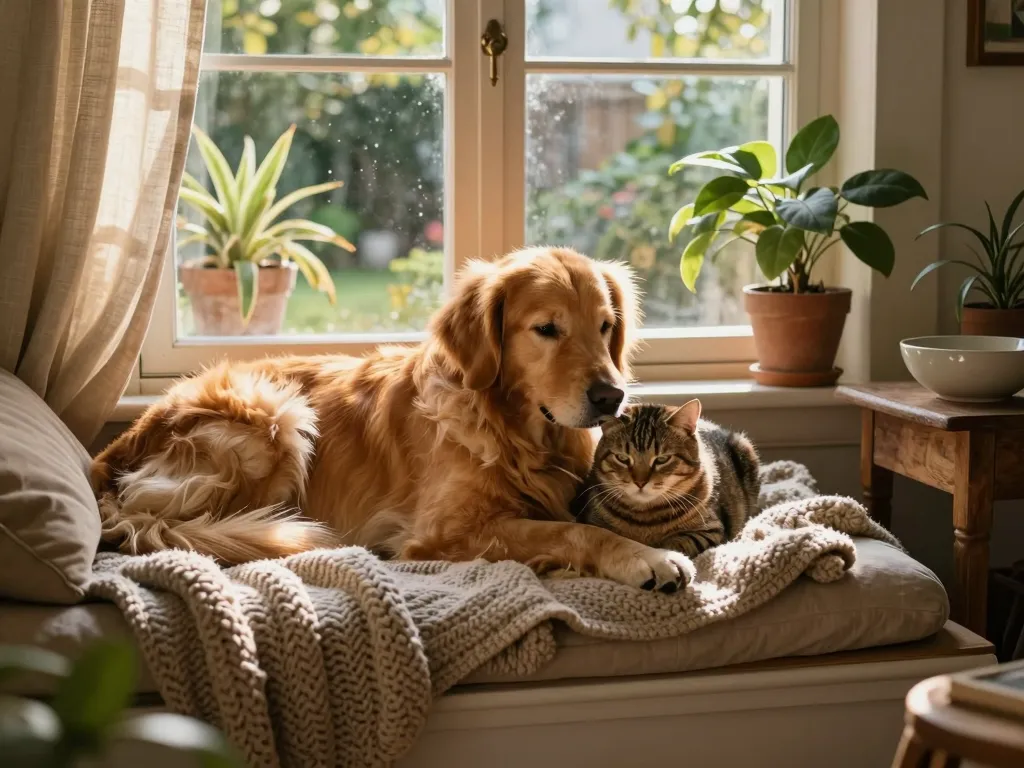
These dogs typically get along well with other animals, but it is important to supervise interactions, especially with smaller pets. Proper introductions and training can help ensure harmonious relationships.
Preparing for Seasonal Changes
Newfiedoodles are generally more comfortable in cooler climates. During summer, it is essential to monitor them for signs of overheating and provide ample shade and water when exercising.
Are Newfiedoodles Good for First-Time Owners?
While Newfiedoodles can be trained and socialized effectively, they may not be the best fit for first-time dog owners who want a low-maintenance pet. They require grooming, attention, and consistent training, so being organized and dedicated is crucial.
How to Manage a Newfiedoodle's Shedding and Grooming
Although they may shed less than a typical Newfoundland, regular grooming is vital to minimize hair in your home. Establishing a grooming routine while they are young will make the process more manageable as they grow.
Do Newfiedoodles Thrive in Family Environments?
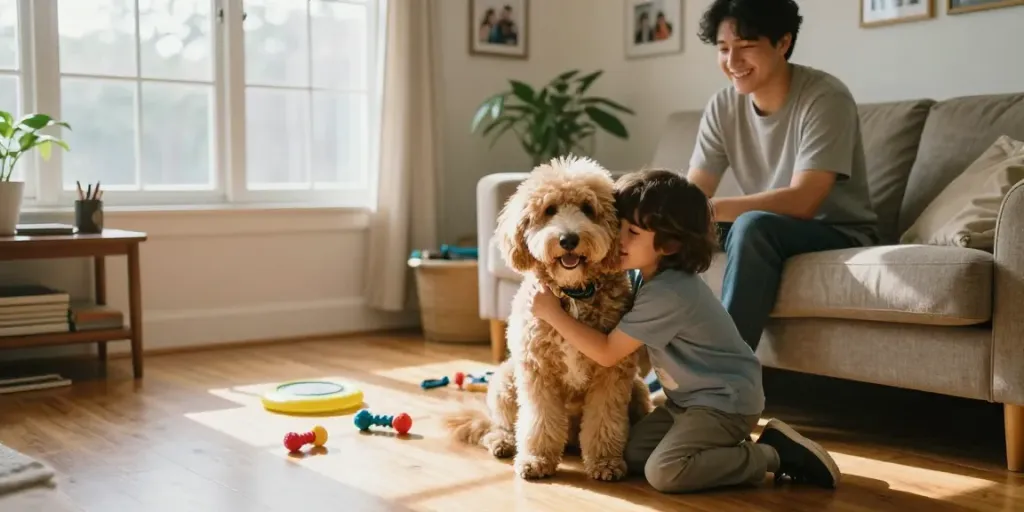
Yes! Newfiedoodles are exceptionally family-friendly. Their gentle nature makes them suitable for households with children, and they often form strong bonds with their family members.