Understanding Floating Displays
As technology continuously evolves, the way we interact with displays is also transforming. One of the most captivating advancements is the introduction of floating display technology, which offers a unique visual experience that elevates digital content presentation. Unlike traditional screens, floating displays create an illusion of depth, promoting a more engaging interaction. In this article, we’ll explore the intricacies of floating displays, their applications, and the key features that set them apart.
What is a Floating Display?
A floating display is a type of visual technology that projects images or videos in a way that they seem to hover above the surface on which they are displayed. This optical illusion creates a three-dimensional effect that can significantly enhance the viewer's experience. Typically, floating displays utilize advanced projection techniques, such as holography or specialized backlighting, to give the impression that the image is not confined to a physical screen. This innovation is gaining traction across various industries, from advertising and entertainment to education and design.
How Do Floating Displays Work?
The technology behind floating displays primarily involves the manipulation of light. Different methods are used to achieve the floating effect, including:
- Holographic Projection: This technique uses lasers to project light, creating a three-dimensional image that can be viewed from various angles.
- Augmented Reality: By integrating digital content with the real world, augmented reality floating displays superimpose images on a physical environment, allowing for interaction.
- Transparent Displays: Utilizing OLED or LCD technologies, these displays can show content while remaining see-through, giving the illusion that the images are floating in mid-air.
By leveraging these technologies, floating displays can create visually striking presentations that captivate audiences and enhance message delivery.
Benefits of Using a Floating Display
Floating displays offer several advantages that make them appealing for both personal and professional use:
- Enhanced Engagement: The immersive quality of floating displays grabs attention and holds it longer than traditional screens.
- Creative Presentation: These displays allow for unique presentations of information, making them ideal for marketing, events, and exhibitions.
- Space-Saving Design: Without the need for bulky screens, floating displays can be integrated into various environments without taking up much physical space.
- Increased Interaction: Many floating displays can incorporate touch or gesture-based interfaces, providing a more interactive experience.
Key Features to Look for in a Floating Display
When selecting a floating display, it is crucial to consider several features to ensure it meets your needs. Here are some of the key attributes:
Resolution and Size Considerations
Resolution is fundamental to the quality of images and videos displayed. Higher resolutions lead to crisper visuals, making content more engaging. Additionally, the size of the display should align with the application; larger displays are ideal for public installations, while smaller ones may suit personal or workspace uses.
Connectivity Options and Compatibility
Ensure that the floating display you choose is compatible with existing devices and content formats. Look for displays that offer various connectivity options, such as HDMI, USB-C, or wireless capabilities, to ensure seamless integration with your hardware.
Ergonomic Design for Creative Professionals
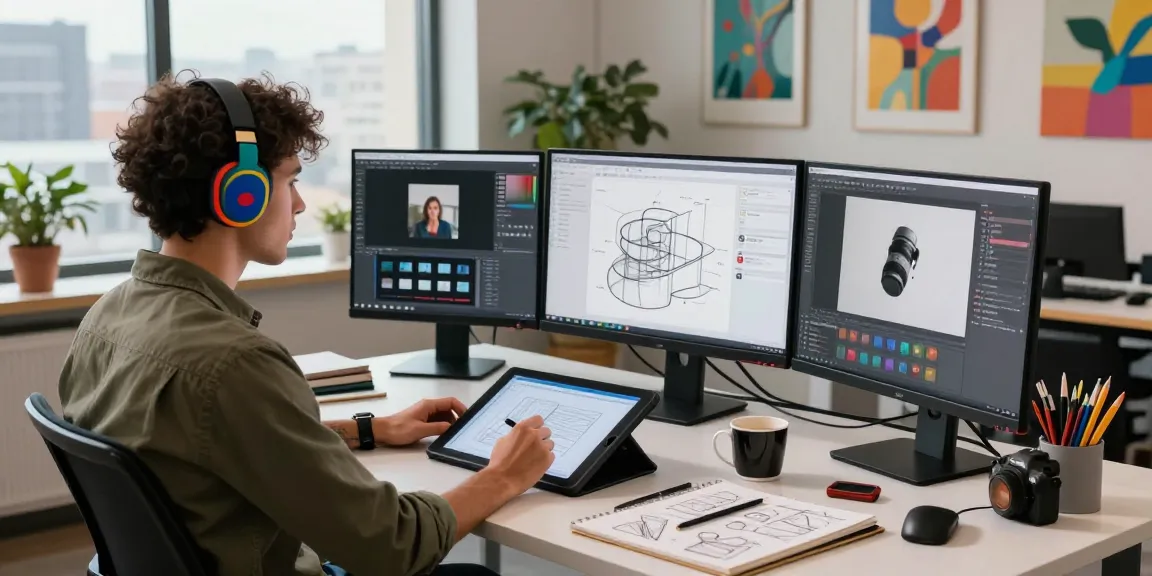
For creative professionals, the ergonomics of a floating display can significantly impact productivity. A display that can be adjusted in height and angle can reduce strain during long hours of use. Furthermore, features such as anti-glare coatings can enhance usability in different lighting conditions.
Challenges and Solutions in Using Floating Displays
Despite their advantages, floating displays can present some challenges that users must navigate:
Common Issues with Floating Displays
Common issues include limited visibility in bright environments, potential motion sickness in some viewers due to the floating effect, and higher costs compared to standard displays. Understanding these challenges can help users make informed decisions when investing in floating display technology.
Optimizing Workflows Around Floating Displays
To address potential workflow disruptions, it's essential to train staff on how to effectively use floating displays. This can include developing specific protocols for content creation that take advantage of the display's unique features, ensuring that teams are well-versed in maximizing the technology’s benefits.
Maintenance Tips for Longevity
Maintaining a floating display involves regular cleaning and software updates. Since some floating displays are sensitive to environmental conditions, keeping them in controlled environments can prolong their lifespan. Additionally, following manufacturer guidelines for care and handling is critical.
Real-World Applications of Floating Displays
Floating displays have found their niche in various sectors, demonstrating versatility and innovative potential:
Case Studies in Design and Architecture
In the design and architecture industries, floating displays are employed to showcase digital blueprints and models. These displays facilitate real-time visualizations that improve client understanding, allowing for immediate feedback and adjustments before physical construction begins.
Floating Displays in Gaming and Entertainment
In the world of gaming and entertainment, floating displays create immersive experiences that transport users into alternate realities. By combining augmented reality gaming with floating display technology, developers can craft engaging gameplay that captivates users and offers a more profound connection to the virtual environment.
Innovative Uses in Education and Training
Educational institutions are beginning to adopt floating displays for interactive learning. These displays can visualize complex concepts in 3D, making it easier for students to grasp challenging subjects. Furthermore, training programs in corporate settings benefit from floating displays as they can present simulations in a more engaging manner, thereby improving retention and understanding.
Future Trends in Display Technology
As we look ahead to 2026, the evolution of floating displays is set to accelerate. Here are some emerging trends to watch:
Emerging Features of Floating Displays in 2026
Future floating displays may incorporate advanced features such as AI-driven content personalization, allowing displays to adapt content based on viewer preferences and behaviors. This personalization will enhance user engagement and satisfaction.
Integration with Augmented and Virtual Reality
The fusion of floating displays with augmented and virtual reality technologies promises to revolutionize user experiences. As these technologies mature, we can expect more dynamic interactions that blend digital elements with real-world environments seamlessly.
Predictions for User Interaction and Experience
User interaction with floating displays may evolve to include gesture recognition and voice commands, further enhancing accessibility and ease of use. These advancements will support a broader range of applications, making floating displays relevant in even more fields.
What are the Best Floating Displays for Creative Work?
The best floating displays for creative work will likely prioritize high resolution and adaptive color profiles to meet the needs of designers and artists. Additionally, integration with creative software tools and collaboration applications will be crucial features for professionals in creative fields.
How Do Floating Displays Improve Productivity?
Floating displays enhance productivity by creating a less cluttered workspace and enabling multitasking without the constraints of traditional screens. Their immersive qualities can keep users focused on tasks, ultimately leading to higher effectiveness in work performance.
Are Floating Displays Worth the Investment?
While the initial cost of floating displays may be higher than standard screens, their potential to enhance user engagement and productivity can justify the investment. Long-term benefits often include improved workflow efficiency and richer user experiences, particularly in interactive settings.
What Industries Benefit Most from Floating Displays?
Industries poised to benefit from floating displays include advertising, entertainment, education, and architecture. Each of these fields can leverage the unique attributes of floating displays to create more engaging presentations and experiences, thereby enhancing their overall effectiveness.
How to Set Up a Floating Display in Your Workspace?
Setting up a floating display requires considering various factors such as location, lighting, and accessibility. Ensure the display is positioned at eye level and can be easily viewed from multiple angles. Additionally, maintain a clutter-free environment to optimize the floating effect and reduce distractions.