Understanding Custom Machining Services
In the dynamic landscape of manufacturing, custom machining service has emerged as a pivotal solution for businesses seeking precision and efficiency. This approach leverages advanced techniques and technologies to create tailored components that meet specific requirements across various industries. Whether it’s prototypes or high-volume production runs, custom machining offers unparalleled flexibility and quality, allowing businesses to streamline their operations and enhance product performance.
What are Custom Machining Services?
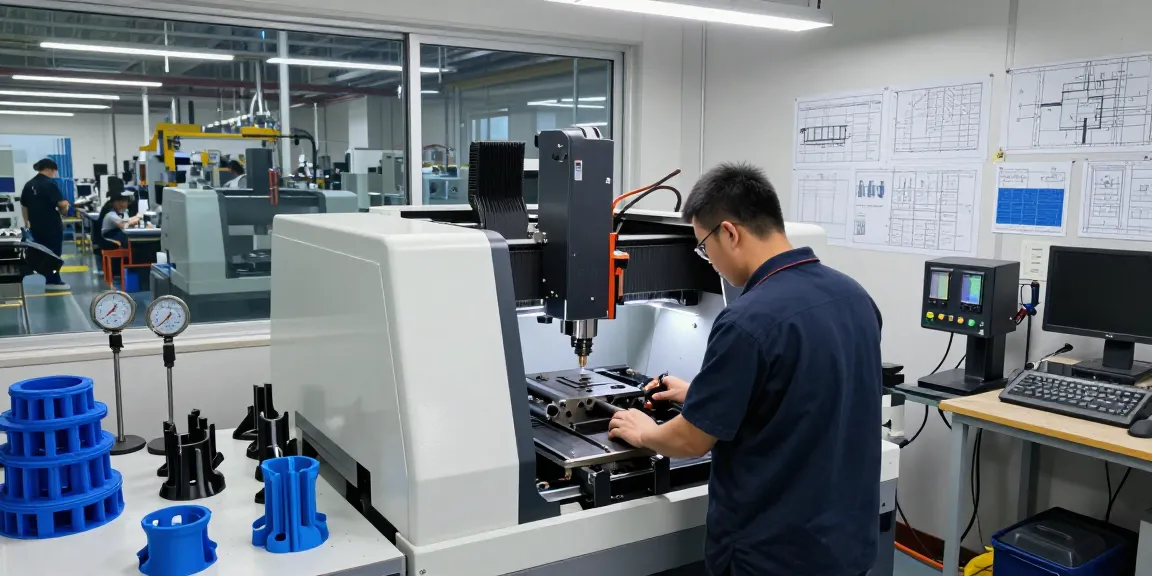
Custom machining services encompass a range of manufacturing processes designed to produce intricate parts from various materials based on precise specifications. These services utilize advanced machinery to ensure high tolerances and detailed finishes, catering to sectors such as aerospace, automotive, medical, and electronics. The process typically starts with a design phase where engineers create detailed blueprints, followed by machining techniques that might include CNC milling, turning, and 3D printing, among others.
Key Techniques in Custom Machining
- CNC Milling: This technique employs computer-controlled machines to remove material from a workpiece, producing parts with tight tolerances and complex geometries.
- 3D Printing: An additive manufacturing process that builds parts layer by layer, allowing for rapid prototyping and low-volume production of highly customized components.
- Die Casting: This involves pouring molten metal into a mold to create high-precision components, perfect for mass production of parts requiring intricate designs.
- Sheet Metal Processing: Techniques such as laser cutting, bending, and stamping are employed to create parts from sheet materials, commonly used in automotive and industrial applications.
- EDM (Electrical Discharge Machining): A method ideal for creating complex internal shapes and geometries that traditional machining cannot achieve, especially useful in mold making.
Benefits of Using Custom Machining Services
Choosing custom machining services provides numerous advantages, such as:
- Precision: Achieves high dimensional accuracy, which is crucial for industries like aerospace and medical device manufacturing.
- Flexibility: Facilitates the production of low to high volume runs without the need for expensive tooling, making it suitable for prototypes and small batches.
- Material Variety: Access to a wide range of materials from metals to plastics, allowing for a diverse array of applications.
- Efficiency: Reduces lead times with advanced technology and streamlined operations, enabling faster time-to-market for new products.
- Cost-Effectiveness: Optimizes resources and minimizes waste, ultimately lowering production costs while maintaining high quality.
Applications of Custom Machining Across Industries
Custom Machining in Aerospace Manufacturing
Aerospace manufacturing demands the highest levels of precision due to safety and performance requirements. Custom machining services enable the production of lightweight, strong components such as brackets, housings, and engine parts, all made from advanced materials like titanium and aluminum alloys. The intricacies of aerospace components mean that custom machining can significantly influence performance, reliability, and overall safety in aviation.
Automotive Industry: Precision Parts through Custom Machining
In the automotive sector, custom machining offers solutions for creating precision parts essential for vehicle performance. This includes everything from engine components to transmission parts. The ability to rapidly prototype and produce parts with tight tolerances allows manufacturers to enhance vehicle efficiency and safety while reducing overall manufacturing costs.
Medical Devices and Custom Machining Solutions
Medical device manufacturing relies heavily on custom machining to produce high-precision parts, such as surgical instruments, implants, and diagnostic equipment. The capability to maintain strict tolerances and ensure biocompatibility is paramount in this industry, making custom machining an indispensable resource for manufacturers aiming to innovate and improve patient care.
Choosing the Right Custom Machining Service Provider
Factors to Consider When Selecting a Provider
When seeking a custom machining service provider, organizations should consider several factors:
- Experience and Expertise: Evaluate the provider’s track record in your specific industry and their familiarity with the materials and techniques required for your project.
- Technological Capabilities: Ensure the provider utilizes modern machinery and techniques that can meet your specifications for precision and quality.
- Quality Assurance Processes: Look for certifications and quality control measures in place to ensure consistent production standards.
Evaluating Quality Assurance Processes
Quality assurance is critical in custom machining services. Providers should have robust processes for inspecting materials, monitoring production processes, and testing finished parts. Techniques like statistical process control, material verification, and final inspection help ensure that every part produced meets predetermined specifications, reducing the risk of failures and enhancing overall reliability.
How to Compare Quotes and Services
When comparing custom machining service providers, it’s essential to look beyond the price. Consider the total value provided, including lead times, customer service, and the flexibility to handle changes in design or production volume. Request detailed quotes that break down costs for labor, materials, and any additional services, allowing for a more informed choice.
Challenges in Custom Machining and How to Overcome Them
Common Misconceptions about Custom Machining
Many businesses harbor misconceptions about custom machining, including the belief that it is only suitable for large-scale production. In reality, custom machining is highly adaptable, making it ideal for both small and large runs. Additionally, some may think that custom machining is always more expensive; however, cost savings can often be realized through reduced waste and increased production efficiency.
Technical Challenges in Complex Designs
Designing for custom machining can pose technical challenges, particularly in achieving the desired tolerances and finishes. Collaborating closely with engineers early in the design phase can identify potential issues and optimize designs for manufacturability. Utilizing advanced simulation software can also help in predicting performance and manufacturability challenges before production begins.
Strategies for Ensuring High Precision and Quality
To ensure high precision and quality in custom machining, implement strategies such as:
- Investing in advanced manufacturing technology.
- Conducting regular maintenance on machinery to prevent downtime and inaccuracies.
- Providing ongoing training for staff to stay updated on the latest techniques and standards.
Future Trends in Custom Machining for 2026 and Beyond
Emerging Technologies Impacting Custom Machining
The future of custom machining is set to be influenced significantly by emerging technologies. Innovations such as artificial intelligence and machine learning are poised to enhance efficiency and accuracy in manufacturing processes. Automation in machining, driven by robotics and smart manufacturing solutions, will lead to faster production cycles and reduced human error.
Sustainability Practices in Custom Machining
As industries increasingly prioritize sustainability, custom machining services are adapting by adopting eco-friendly manufacturing practices. This includes using recyclable materials, minimizing waste through efficient processes, and seeking certifications that reflect commitment to environmental responsibility.
Predictions for the Future of Precision Manufacturing
Looking ahead to 2026 and beyond, the demand for precision manufacturing will likely grow as industries continue to innovate and develop new technologies. Custom machining will play a vital role in supporting this growth by providing the flexibility and precision required to manufacture the next generation of products. Additionally, globalization will make it essential for manufacturers to have trusted partners in different regions to facilitate swift deliveries and reduce costs.
What are the advantages of custom machining services?
Custom machining services open the door to tailored solutions that address specific manufacturing challenges. The primary advantages include enhanced precision, material versatility, and the ability to produce custom parts rapidly, leading to greater innovation in product development.
How can businesses optimize their use of custom machining?
Businesses can optimize their use of custom machining by collaborating closely with their service providers, leveraging advanced technology for design optimization, and implementing effective quality control measures. Regular reviews of processes and outcomes can also identify areas for improvement.
What materials are best suited for custom machining?
Common materials utilized in custom machining include metals like aluminum, steel, titanium, and plastics such as nylon and polycarbonate. The choice of material often depends on the application's specific requirements, such as strength, thermal resistance, or weight considerations.
How do lead times affect custom machining projects?
Lead times can significantly impact custom machining projects, particularly if rapid prototyping or short-run production is involved. Clear communication of timelines and expectations with service providers is crucial to meet project deadlines and manage resource allocation effectively.
What quality control measures should be in place?
Quality control measures for custom machining should include rigorous inspection protocols at various stages of production, material traceability, and adherence to industry standards. Regular audits and continuous improvement initiatives help to maintain high-quality outputs.