The Importance of Safety Bollards in Urban Environments
In an era where urban spaces are rapidly evolving, safety has become an essential aspect of urban planning and design. Among the various solutions implemented to ensure safety, Safety bollards play a pivotal role in protecting pedestrians and structures from vehicle incursions. As cities continue to grow and evolve, understanding the significance of these protective barriers is crucial for enhancing public safety and maintaining the integrity of infrastructure. This article explores the multifaceted roles of safety bollards, the different types available, installation best practices, and future trends in urban safety solutions.
What Are Safety Bollards and Their Functions?
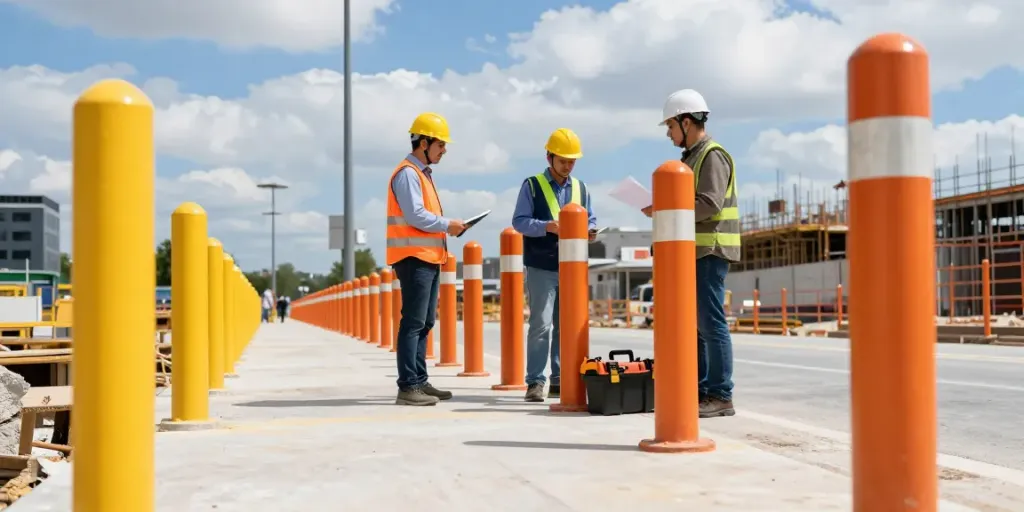
Safety bollards are sturdy, vertical posts designed to provide physical barriers in various environments. Their primary function is to protect pedestrian areas, sensitive structures, and public spaces from unauthorized vehicle access. Commonly found in city streets, parking lots, and outdoor event venues, bollards serve not only as a safety measure but also as a visual guide for traffic flow.
Typically constructed from durable materials such as steel or high-density plastic, safety bollards can withstand significant impact, making them effective at deterring vehicles from straying into pedestrian zones. Whether permanent or removable, they fulfill crucial safety roles:
- Traffic Control: Bollards direct traffic and delineate boundaries, guiding vehicles and pedestrians safely.
- Access Restriction: They prevent unauthorized vehicle entry into restricted areas, safeguarding both the public and infrastructure.
- Impact Protection: Bollards absorb impacts from vehicles, minimizing damage to nearby structures and pedestrians.
How Do Safety Bollards Enhance Public Safety?
Public safety is significantly enhanced through the strategic placement of safety bollards in high-traffic areas. By creating effective barriers, these posts contribute to reducing the risk of accidents, injuries, and fatalities. In crowded urban settings, where pedestrian traffic is high, safety bollards serve as a protective line between vehicles and pedestrians, fostering a safer environment.
Moreover, the visibility of safety bollards plays a crucial role in their effectiveness. Brightly colored or reflective bollards not only stand out in urban landscapes but also help in alerting drivers to pedestrian zones. This added visibility reduces the likelihood of vehicular accidents and reinforces safe driving practices.
Common Misconceptions About Safety Bollards
Despite their widespread use, several misconceptions surround safety bollards that can hinder their effectiveness:
- Only for Aesthetics: Many believe bollards are only decorative. In reality, they serve vital safety functions beyond aesthetics.
- All Bollards are the Same: Different types of bollards exist for varied applications, from soft plastic units for low-impact areas to heavy-duty steel installations for high-risk zones.
- They Are Bulky and Unsightly: Modern designs have evolved to be both functional and visually appealing, often blending seamlessly with urban aesthetics.
Types of Safety Bollards: Choosing the Right Option
Selecting the appropriate type of safety bollard requires consideration of several factors, including intended use, location, and aesthetic preferences. Various options are available, each serving distinct functions and environments.
Removable vs. Fixed Safety Bollards
One of the primary distinctions in safety bollards is whether they are removable or fixed:
- Removable Bollards: These are designed for temporary use and can be installed or removed as needed. Ideal for event spaces or areas with fluctuating vehicle traffic, removable bollards offer flexibility.
- Fixed Bollards: These are permanently installed and typically provide higher levels of protection. Fixed bollards are better suited for high-traffic areas requiring ongoing vehicle restriction.
Material Considerations: Steel, Plastic, and Concrete
The material of safety bollards is crucial in determining their effectiveness and suitability for specific applications. Common materials include:
- Steel: Known for its robustness and ability to withstand significant impact, steel bollards are ideal for high-security areas.
- Plastic: Lightweight and often used in temporary settings, plastic bollards are easy to install but may not provide the same level of protection as steel.
- Concrete: Extremely durable, concrete bollards are often used in permanent installations where high-impact resistance is necessary.
Decorative Safety Bollards: Enhancing Aesthetics and Function
While functionality is paramount, decorative safety bollards have gained popularity in urban design. These bollards are available in various styles, colors, and finishes, allowing them to complement the surrounding architecture while still serving their protective role. By integrating aesthetic design with safety features, cities can enhance their public spaces while ensuring the protection of pedestrians.
Installation Best Practices for Safety Bollards
Correct installation of safety bollards is essential for ensuring their effectiveness. Proper procedures can enhance durability and safety, while poor installation can lead to failures that compromise protection.
Site Assessment: Key Considerations Before Installation
Before installing safety bollards, conducting a thorough site assessment is essential. This evaluation should consider:
- Traffic Patterns: Understanding vehicle and pedestrian traffic flows can help determine optimal bollard placement.
- Environmental Conditions: The local climate can affect material choice and installation techniques, particularly in coastal areas like Fujairah, where corrosion from salt-laden air is a concern.
- Compliance and Regulations: Ensuring that the installation meets local safety codes and regulations is critical for legal and safety compliance.
Step-by-Step Installation Guide for Safety Bollards
- Preparation: Mark locations for installation based on your site assessment.
- Excavation: Dig holes according to the required depth for the chosen bollard type (typically 1/3 of the bollard height).
- Set in Concrete: Place the bollard in the hole and fill with concrete, ensuring it is leveled and stable.
- Curing: Allow sufficient time for the concrete to cure before subjecting the bollard to stress.
Common Pitfalls to Avoid During Installation
To maximize the effectiveness of safety bollards, avoid the following common pitfalls:
- Inadequate Depth: Not setting bollards deep enough can lead to instability.
- Poor Material Selection: Choosing the wrong material can compromise protection and longevity.
- Ignoring Local Regulations: Failing to adhere to safety codes can result in fines and unsafe installations.
Future Trends for Safety Bollards in 2026
The demand for effective safety solutions continues to evolve. In 2026, several trends are expected to shape the future of safety bollards:
Technological Advances in Safety Bollards
As technology integrates further into urban infrastructure, safety bollards are likely to incorporate advanced features such as:
- Smart Bollards: These can monitor traffic conditions and communicate with city infrastructure to adapt to changing environments.
- Solar-Powered Lighting: Bollards with integrated lighting can enhance visibility in low-light conditions.
Predicted Changes in Urban Infrastructure and Safety Requirements
As urban areas face increased vehicle congestion and pedestrian traffic, the requirements for safety measures will change. Urban planners are likely to emphasize more flexible solutions, adapting to the unique challenges of each environment.
How Cities are Adopting Innovative Safety Solutions
Cities across the globe are investing in innovative safety solutions, including dynamic mobility strategies that incorporate safety bollards. These strategies will likely prioritize pedestrian-friendly designs that ensure safety while improving the urban landscape.
Real-World Applications of Safety Bollards
The efficacy of safety bollards can be observed in various real-world applications across cities and environments:
Case Studies: Successful Safety Bollard Implementations
Numerous cities have successfully implemented safety bollards to great effect. For instance, cities that have installed fixed bollards in high pedestrian areas have reported significant reductions in vehicle-related accidents, demonstrating their effectiveness in enhancing urban safety.
Comparative Analysis of Safety Bollard Effectiveness
Multiple studies indicate that locations equipped with safety bollards see fewer incidents of vehicle intrusion, highlighting their necessary role in urban planning. The comparative safety records of areas with versus without these installations showcase their importance in preventative urban safety measures.
Feedback from Urban Planners and Safety Experts
Urban planners and safety experts widely endorse the implementation of safety bollards. Their feedback often emphasizes the critical role these barriers play in urban design, with many calling for increased integration into new development projects.
What are the average costs to install a bollard?
The average cost of installing a safety bollard can vary widely depending on the material, design, and installation complexity. Generally, prices range from $200 to $3,000 per bollard, including both the cost of the unit and installation fees. Consulting with a local provider can yield more precise estimates based on specific project requirements.
Can a bollard stop a truck?
While most safety bollards can withstand impacts from smaller vehicles, specific heavy-duty bollards are designed to stop larger vehicles, such as trucks. These crash-rated bollards undergo rigorous testing to ensure they can absorb significant impacts, protecting pedestrians and structures effectively.
What can I use instead of bollards?
Alternatives to traditional safety bollards include planters, fences, or barriers made from various materials. Each option can provide delineation and protection, but their effectiveness varies based on the specific application and environment.
What is a safety bollard?
A safety bollard is a robust vertical post that serves as a barrier to protect pedestrians and structures from vehicular traffic. These posts can be fixed, removable, decorative, or functional, depending on their intended application.
What are removable safety bollards?
Removable safety bollards are temporary posts that can be installed or taken out based on traffic needs. They are particularly useful in events or locations where vehicle access is variable and can be combined with fixed bollards for comprehensive safety solutions.