
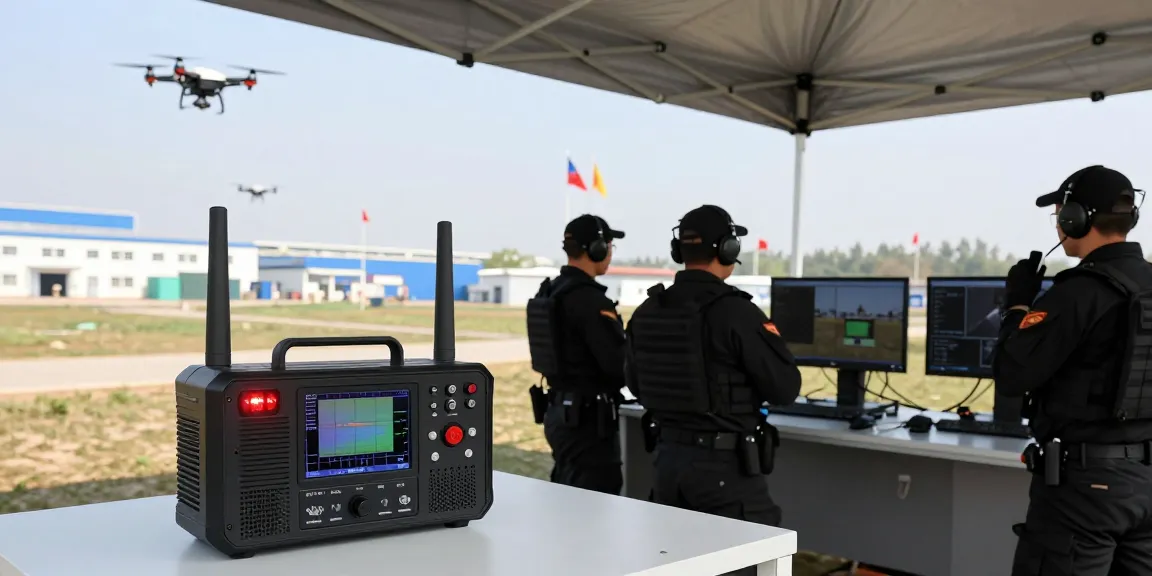
Understanding Anti Drone Jammer Technology
In today’s rapidly evolving world, the proliferation of drones has resulted in significant security concerns. From unauthorized surveillance to potential threats to public safety, the need for effective countermeasures has never been more pronounced. This is where anti-drone jammers come into play, offering critical defense mechanisms against unwanted aerial intrusion. These devices are engineered to disrupt communication between drones and their operators, ensuring a secure airspace. When exploring options, Anti drone jammer solutions provide comprehensive insights into how these technologies can bolster security across various sectors.
What is an Anti Drone Jammer?
An anti-drone jammer is a sophisticated electronic device designed to interfere with the radio frequencies used by drones to communicate with their operators. By emitting signals that overpower or block legitimate communications, these devices can induce the drone to either land or return to its point of origin. Most anti-drone jammers are engineered to target specific frequency bands, which are commonly utilized by commercial drones, such as 2.4GHz and 5.8GHz.
How Anti Drone Jammers Work
The mechanism of an anti-drone jammer is based on the principles of radio frequency interference (RFI). When a drone is in operation, it relies on a radio signal for navigation and control. An anti-drone jammer emits a stronger signal within the same frequency range, effectively disrupting the link between the drone and its controller. This disruption can lead to various outcomes, including:
- Signal Loss: The drone loses its connection to the remote control, causing it to either return to its home point or land immediately.
- Autonomous Mode Activation: If the drone is equipped with fail-safe protocols, it may enter an autonomous mode, which is intended to prevent crashes during signal loss.
- Forced Landing: In some cases, the drone may be forced to land at the nearest safe location due to the jamming signal.
Types of Anti Drone Jammers and Their Applications
Various models of anti-drone jammers are available on the market, each tailored for specific applications and operational environments:
- Portable Backpack Jammers: These are designed for personal use or smaller operations, suitable for security personnel at events or sensitive sites.
- Vehicle-Mounted Jammers: Ideal for military or law enforcement agencies, these jammers can be integrated into vehicles to provide mobile anti-drone capabilities.
- Stationary Jammers: Used in fixed installations such as airports or military bases, stationary jammers provide constant surveillance over a designated airspace.
Importance of Anti Drone Jammers in Security
Addressing the Rising Drone Threat Landscape
The increasing integration of drones into everyday life has accelerated their use in commercial, recreational, and even malicious activities. This surge comes with an array of security challenges, including privacy violations, flight disruptions in controlled airspace, and potential attacks on vulnerable targets. Anti-drone jammers are critical in addressing these threats by providing the means to enforce airspace regulations and protect sensitive areas effectively.
Key Benefits of Anti Drone Jammer Solutions
Implementing anti-drone jammers presents various benefits, including:
- Enhanced Security: These devices provide a robust line of defense against unauthorized drone incursions, safeguarding critical infrastructures.
- Operational Versatility: Many anti-drone systems can operate in conjunction with other security measures, such as surveillance cameras and radar systems.
- Cost-Effectiveness: As a deterrent against drone threats, investing in anti-drone technology can be more cost-effective than dealing with the repercussions of a potential breach.
Legal Considerations Surrounding Anti Drone Technology
While anti-drone jammers are effective tools for securing airspace, their use is governed by specific legal frameworks in many countries. Operators must be aware of regulations surrounding the use of jammers, as unauthorized use can lead to severe legal repercussions. In many jurisdictions, the Federal Aviation Administration (FAA) in the United States and similar agencies globally maintain strict guidelines on the frequency bands that can be jammed. Compliance with these regulations is essential for any entity looking to deploy anti-drone technology.
Implementation Strategies for Effective Drone Defense
Choosing the Right Anti Drone Jammer for Your Needs
Selecting the appropriate anti-drone jammer requires a comprehensive assessment of various factors, including the operational environment, potential drone threats, and budgetary constraints. Organizations should consider the following when making their selection:
- Range and Coverage: Determine the effective range needed for your application, whether that’s a few hundred meters for personal use or several kilometers for military operations.
- Portability: Depending on deployment scenarios, the weight and size of the jammer may influence the choice, particularly for tactical operations.
- Frequency Compatibility: Ensure that the jammer can effectively cover the frequency bands used by the drones in your area.
Integrating Anti Drone Solutions into Existing Security Frameworks
To maximize the effectiveness of anti-drone defenses, organizations must integrate these systems into their existing security frameworks. This integration could involve aligning anti-drone technologies with physical security measures, such as perimeter defenses and surveillance systems. Interoperability between various security layers ensures a more cohesive and responsive defense against aerial threats.
Training Personnel on Effective Operation and Response
Training staff on the operational aspects of anti-drone jammers is crucial for successful implementation. Personnel must understand the nuances of operating these devices, including recognizing potential drone threats, effectively deploying jammers, and adhering to legal standards. Regular training sessions and simulations can reinforce staff readiness and operational efficiency in real-world scenarios.
Case Studies: Successful Deployments of Anti Drone Jammers
Military Applications of Anti Drone Technology
The military sector has been at the forefront of deploying anti-drone technology to protect sensitive installations and personnel. For example, during field operations, anti-drone jammers have been successfully used to neutralize unauthorized drone surveillance, thereby safeguarding troop movements and securing vital infrastructure.
Civilian Use Cases: Protecting Public Events and Infrastructure
In civilian contexts, anti-drone jammers have proven invaluable at large public events, such as concerts and political gatherings. Notably, during national celebrations, these jammers have been deployed to prevent potential security breaches, ensuring public safety and maintaining order. Additionally, infrastructure protection—such as at airports and power plants—benefits significantly from the presence of anti-drone systems, deterring illicit surveillance or potential sabotage operations.
Comparative Analysis: Lessons from Global Implementations
Internationally, various countries have employed anti-drone technologies with differing levels of success. Studying these implementations reveals critical insights into effective strategies and common pitfalls. For instance, nations that have adopted a multi-layered approach—combining detection systems with jamming technologies—tend to exhibit more robust defenses against drone threats compared to those relying on a single method.
The Future of Anti Drone Jammers and Emerging Trends
Advancements in Anti Drone Technology for 2026
As drone technology continues to evolve, so too will anti-drone defenses, with advancements expected in the following areas:
- Increased Range and Precision: Future anti-drone jammers will likely offer enhanced range and precision, reducing the chances of collateral disruption while effectively neutralizing threats.
- AI Integration: The incorporation of artificial intelligence will improve threat detection and response capabilities, allowing jammers to distinguish between authorized and unauthorized drones more effectively.
- Improved Legal Compliance: With ongoing regulatory changes, new anti-drone systems will be designed to operate within legal frameworks, ensuring lawful deployment while maximizing security.
Expected Changes in Regulations and Compliance
Regulatory bodies worldwide are increasingly recognizing the necessity of anti-drone technologies, paving the way for clearer frameworks and compliance guidelines. As such, organizations will need to stay informed about evolving regulations to ensure their anti-drone operations align with legal standards. This foresight will be critical for future-proofing anti-drone strategies.
Innovative Strategies for Evolving Drone Threats
As drone technology advances, so do the tactics employed by unauthorized operators. To stay ahead, counter-drone solutions must incorporate innovative strategies, such as:
- Developing hybrid systems that can detect, jam, and even spoof drone signals effectively.
- Implementing collaborative frameworks between various sectors—military, law enforcement, and private security—to create a unified response to drone threats.
- Utilizing data analytics to assess the threat landscape continually, ensuring that defenses can adapt to new methods of drone operation.
